

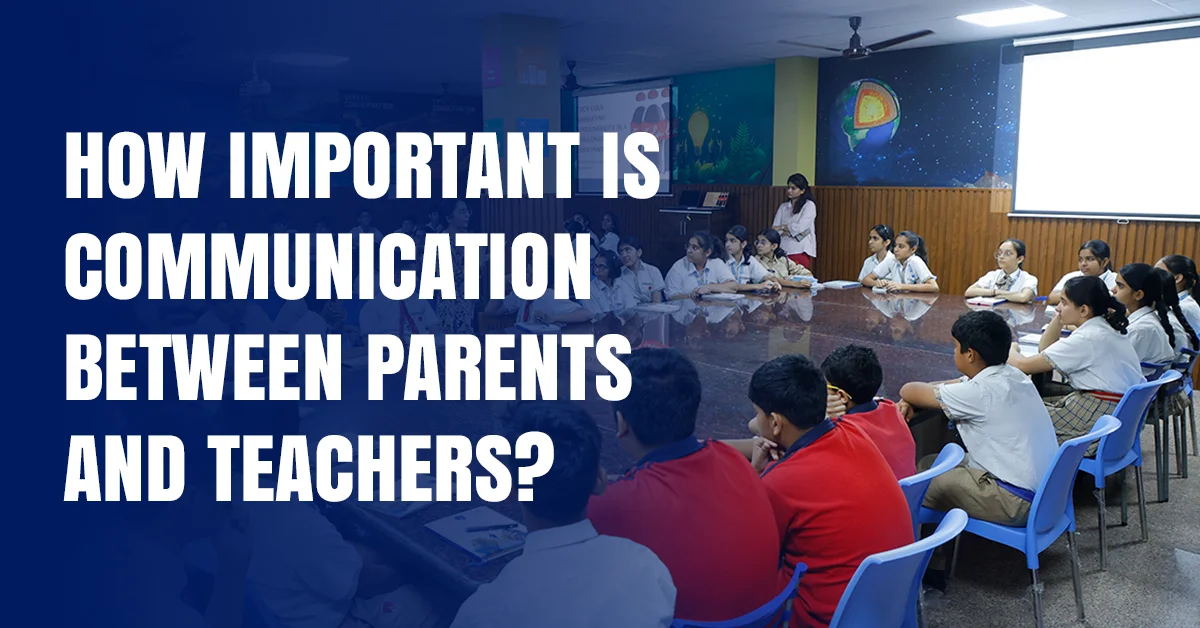
For a child or student under the age of 18, two of the most important places that shape their future are home and school. These are the places where children spend much of their formative years, learning not only academic concepts but also values, behaviour, discipline, communication, and ways of understanding the world.
Parents and teachers play different but equally important roles in this development. Since both have a significant influence on a child’s life, communication between them is equally important. When parents and teachers stay connected, they can better understand the child and work together to support their overall development.
Why Communication Between Parents and Teachers Matters
1) Understanding the Child Better
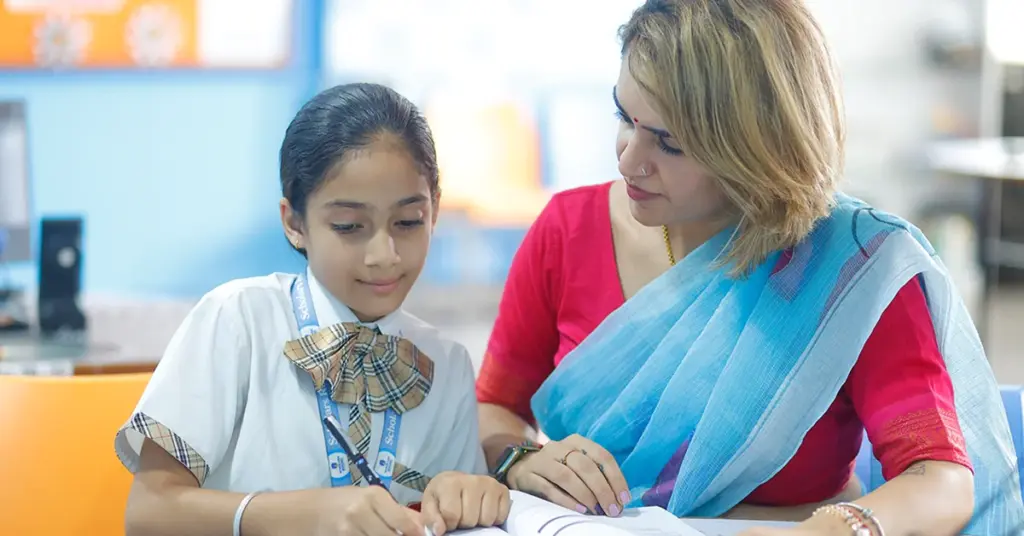
A teacher sees a child in a classroom environment, while parents see them at home. These two perspectives can be very different. Regular communication allows both to share what they observe and develop a more complete understanding of the child’s behaviour, interests, strengths, challenges, and overall student development.
2) Identifying Learning Difficulties Early

Sometimes a child may struggle with a particular subject, lose concentration, hesitate to participate, or have difficulty keeping up with lessons. Teachers can share these observations with parents, who may provide useful information about what the child is experiencing outside school. Together, they can identify what may be affecting the child’s learning and decide how to address it.
3) Finding Ways to Improve Learning
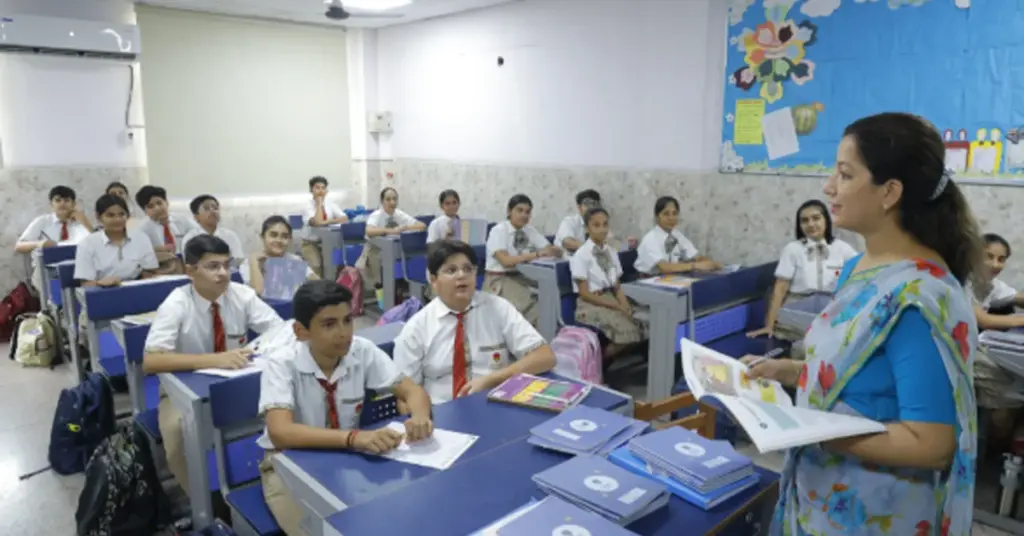
Communication should not only happen when there is a problem. Parents and teachers can discuss what approaches are working, where the child needs additional support, and how learning can be encouraged both at school and at home. A consistent approach can make it easier for children to develop better learning habits.
4) Sharing Feedback in Both Directions
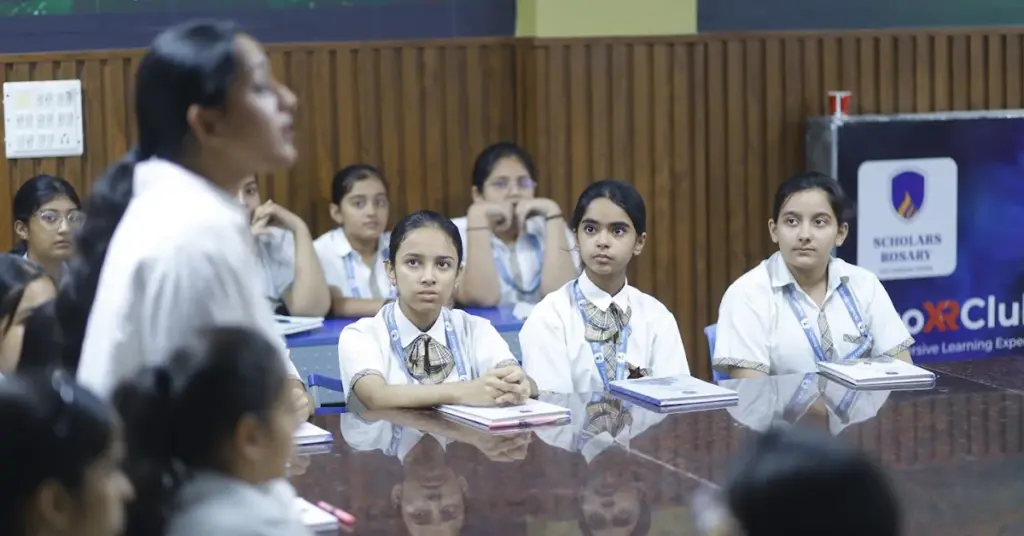
Communication should work both ways. Teachers can guide parents on areas where a child may need greater attention, while parents can share observations about their child’s interests, difficulties, or responses to different learning approaches. This exchange can help both sides understand what they can do differently or improve.
5) Supporting Emotional and Social Development
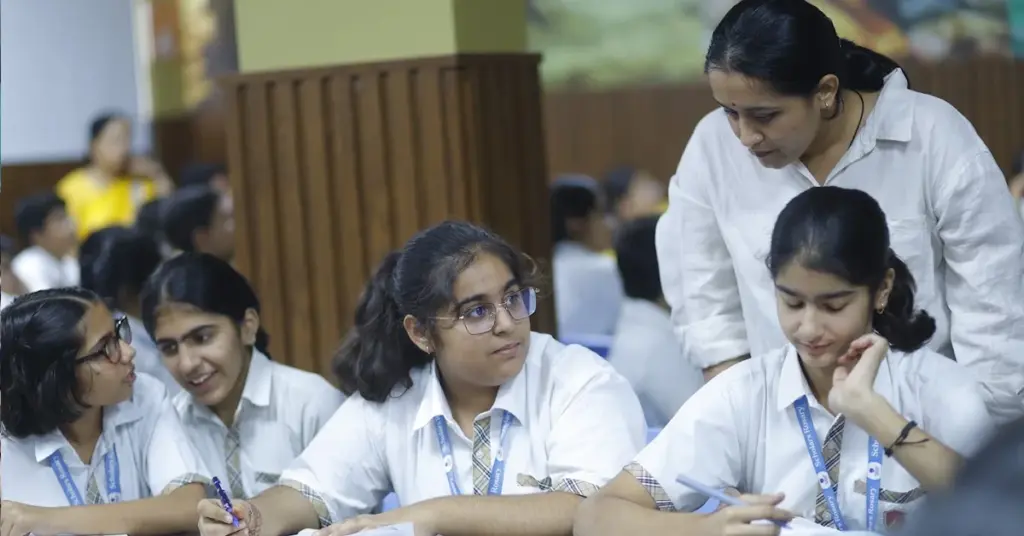
A child’s progress cannot be measured only through marks and grades. Holistic development also includes their confidence, relationships, behaviour, emotional well-being, and ability to participate positively in school life. Changes in confidence, friendships, participation, behaviour, or emotional well-being can also affect their school experience. When parents and teachers communicate about these changes, they can respond appropriately and provide support before a small concern becomes a bigger challenge.
6) Creating Consistency Between Home and School
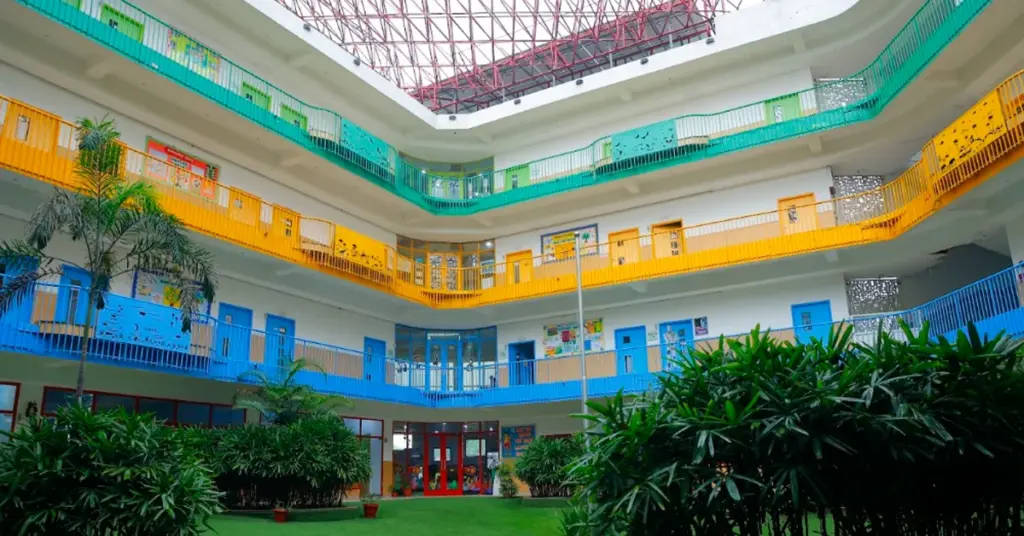
Children benefit when expectations at home and school are reasonably aligned. When parents and teachers communicate about routines, responsibilities, behaviour, and learning habits, children receive clearer guidance and are more likely to develop consistency in their daily lives.
7) Celebrating Progress Together
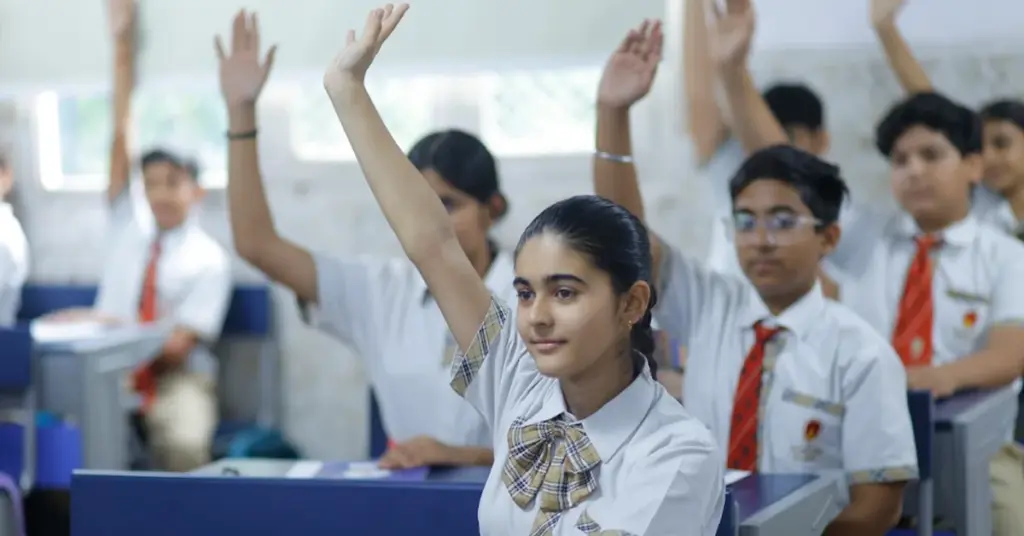
Communication is not only about discussing concerns. Sharing a child’s achievements, improvements, interests, and efforts allows parents and teachers to recognise progress and encourage the child. Positive feedback can strengthen confidence and motivate students to keep improving.
How Scholars Rosary Senior Secondary School Encourages Parent-Teacher Communication
At Scholars Rosary Senior Secondary School, one of the best senior secondary school in Rohtak, we believe that meaningful communication between parents and teachers plays an important role in a student’s school journey. We encourage regular interaction through parent-teacher meetings, where parents can meet teachers, discuss their child’s progress, share concerns, and provide feedback.
As a CBSE school in Rohtak, we encourage parents and teachers to maintain an open line of communication so that students receive consistent guidance and support.
These conversations also give teachers an opportunity to share their observations and suggest areas where a student may need additional support. More importantly, they allow both parents and teachers to discuss what they can do together to create better conditions for the child’s learning and development.
Our aim is to make this communication a collaborative process rather than a conversation that happens only when something goes wrong. By working together, parents and teachers can provide students with the guidance, encouragement, and support they need to learn better, grow with confidence, and make meaningful progress throughout their school years.
Conclusion
A child’s development is shaped by many experiences, but the partnership between home and school has a particularly lasting influence. Parents understand their child in one environment, while teachers understand them in another. When these perspectives come together through open and regular communication, it becomes easier to recognise challenges, support strengths, and make thoughtful decisions about the child’s development.
Strong parent-teacher communication ultimately creates a more supportive environment in which students can develop academically, socially, and personally, building a strong foundation for student success. The foundation built during these years can help prepare them not only for success in school but also for the opportunities and responsibilities that come next.